
Algorithmic Trading & Automation
Learn to Build, Test, and Understand Trading Systems
From your first line of Python to a fully backtested strategy. This learning path teaches the complete quantitative workflow - data, signals, backtesting, and risk controls - the way professional quant teams practice it.
Why Most Self-Taught Algo Traders Fail
The Challenge
YouTube tutorials teach you to code a bot - not to think like a quant. Without proper backtesting discipline, overfitting awareness, and risk controls, most homemade strategies are curve-fit illusions that fall apart in live markets.

A Quant Curriculum, Not a Bot Tutorial
Our Approach
Monteris teaches the full professional workflow: Python for market data, statistical signal research, honest backtesting, walk-forward validation, and portfolio-level risk management - with mentor code reviews at every stage.

Graduate with Real Quantitative Skill
The Results
Students finish the path with a portfolio of properly validated research projects, fluency in the professional quant toolchain, and the judgment to know when a strategy is real - and when it's noise.
What You'll Learn
The complete quantitative trading curriculum, from foundations to advanced
Python for Markets
From zero to fluent: pandas, NumPy, and market data handling taught with real price series.
Strategy Research
Learn to form hypotheses, engineer signals, and separate genuine edges from statistical noise.
Honest Backtesting
Overfitting, survivorship bias, look-ahead bias - learn every trap and how professionals avoid them.
Live Data Labs
Work with real-time and historical data feeds across FX, crypto, indices, and commodities.
Simulated Execution
Deploy strategies in our sandbox environment and study slippage, latency, and fill behavior safely.
Risk & Portfolio Controls
Position sizing, drawdown limits, and portfolio-level risk frameworks for systematic strategies.
Inside the Coursework
Real code, real data, real methodology
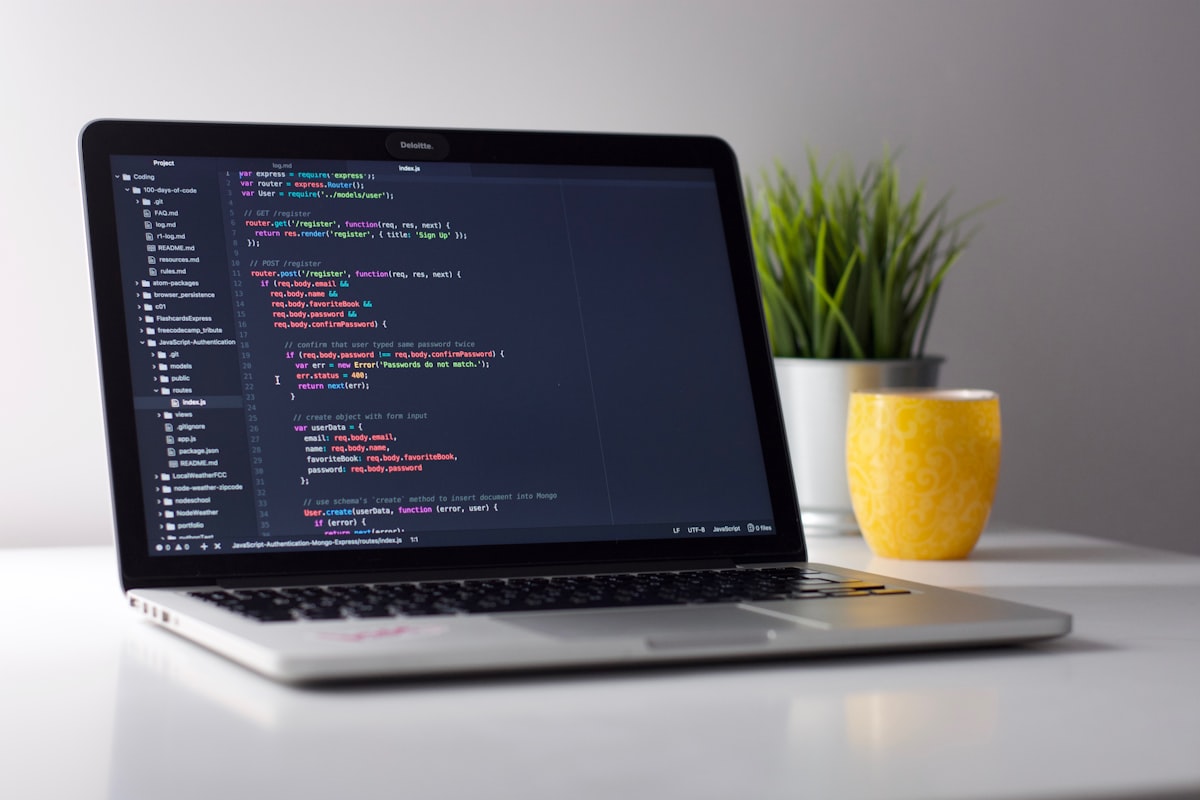
You'll start by mastering market data itself - loading, cleaning, and exploring price series - then move on to building your first signals with proper statistical grounding.
# Module 3 lab: a first momentum signal
import pandas as pd

prices = pd.read_csv("eurusd_daily.csv", index_col="date", parse_dates=True)

# 20-day momentum signal
returns = prices["close"].pct_change()
signal = prices["close"].pct_change(20)

# Long when momentum is positive, flat otherwise
position = (signal > 0).astype(int).shift(1)
strategy_returns = position * returns

print(f"Annualized return: {strategy_returns.mean() * 252:.2%}")
print(f"Annualized vol:    {strategy_returns.std() * 252 ** 0.5:.2%}")
Who Takes This Path?
Students from every background have built quantitative skill here
Developers Entering Finance
Software engineers who know how to code but want the market knowledge and statistical discipline to apply it to trading.
"I could already write Python - what I couldn't do was tell a real edge from an overfit backtest. This program fixed that permanently."
Sarah Johnson, Software Engineer & Program Graduate
Class of 2025

Discretionary Traders Going Systematic
Experienced manual traders who want to encode their process, test it honestly, and remove emotion from execution.

Students & Career Changers
Aspiring quants building the practical portfolio and vocabulary needed to pursue roles in quantitative finance.
Ready to Think Like a Quant?
Enroll in the Algorithmic Trading & Automation path and build systematic skill on a foundation of honest methodology.